Description
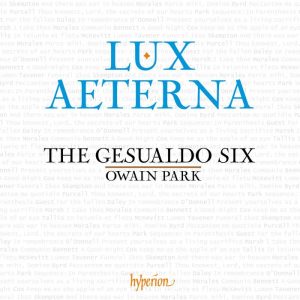
We are delighted to present our fourth album, Josquin’s Legacy (2021).

About the CD
Courts in renaissance Italy were meeting places for some of the greatest musicians from across Europe. The Court at Ferrara became a leading centre: many of the Franco-Flemish school passed through its gates and perhaps the most notable of these is Josquin. Taking inspiration from Josquin’s 500th-anniversary year in 2021, this recording contextualises some of the ‘jewels in the crown’ of Italian Renaissance repertoire by tracing themes of pedagogy and patronage in northern Italy over 150 years. Guy James © 2021
Tracklist
Ockeghem Intemerata Dei mater
Josquin Nymphes des bois
Compere Quis numerare queat
Brumel Tous les Regretz
Pierre de la Rue Absalon fili mi
Josquin Illibata Dei virgo nutrix
Févin Nesciens Mater
Mouton Qui ne regrettoit le gentil Févin
Willaert Infelix ego
Isaac Esto mihi
Josquin O virgo prudentissima
Josquin Tu solus, qui facis mirabilia
L’Héritier Miserere mei, Domine
Reviews
The Musical Clock, Johan Van Veen | November 2024
“The performances are well thought-over, such as the decision to perform Absalon fili mi, attributed to Josquin, but probably written by Pierre de La Rue, at the low pitch at which it is written, which emphasizes its mournful content. The ensemble consists of beautiful voices, which blend perfectly. This is a disc no lover of renaissance polyphony should miss.”
Hi-Fi News: Album Choice, AE | December 2021
“Sometimes a recording just grabs the attention with the sheer beauty of both performance and sound, and while this one didn’t come completely out of the blue – editor PM had heard the ensemble in concert post-lockdown and recommended it – this latest album from the all-male Gesualdo Six is a total stunner. Recorded to the usual Hyperion standards in a reverberant church acoustic – the perfect location for these pieces, dating from the late 15th/early 16th century – it’s focused around the works and legacy of composer and choirmaster Josquin des Prez. Led by Owain Park, the Gesualdo Six evoke the sounds of a bygone age, with soaring countertenor voices rising above the tenors, baritone and bass to quite magical effect, creating a sound as fascinating as it is relaxing and meditative. It’s a totally compelling listen, and just about as flawless a performance as you’ll ever hear.”
Early Music America: CD Review: Josquin and Friends Inspire Gesualdo Six to the Heights, Aaron Keebaugh | January 2022
“Josquin’s Legacy, the latest recording from The Gesualdo Six, sets the focus upon the famed Franco-Flemish composer and his contemporaries. Plush and radiant, the performances cast a vivid glimpse of a rich and varied era fit for this past anniversary year. … Beaming solo voices grow to encompass the full ensemble, where suspended harmonies tip the music towards light. The music of Josquin’s indelible legacy, the performances suggest, look to the hope that shines even in the most perilous times.”
Diapason, Guillaume Bunel | December 2021
5 Diapasons
“…the ensemble has a lot to seduce. Some hits (Nymphes des bois, Illibata by Josquin) stand alongside with rarities (Miserere by Lhéritier, Quis numerare by Compère), within a varied and well-balanced programme, in both style and genre, as well as in number of singers. … Throughout the disc, the ensemble displays an extraordinarily velvety sound, perfectly accurate and homogeneous… the result is worthy of the most brilliant specialist ensembles, and easily ranks among the best releases of this year, the fifth centenary of Josquin’s death.”
Sequenza 21, Christian Carey | December 2021
“Carlo Gesualdo and Josquin Desprez are worlds apart, in terms of musical language, personality, and chronology, but they share a particular coincidence of geography: both of them had formative musical experiences in Ferrara. Thus, it seemed natural for the Gesualdo Six to center their program The Josquin Legacy around Josquin’s brief but fruitful tenure in the d’Este court in 1503-1504. Another linchpin of the recording is its programming of Josquin’s predecessor Johannes Ockeghem, rival Heinrich Isaac, contemporaries Pierre de la Rue, Antoine Brumel, Loyset Compere, and Antoine de Fevin, and successors Antoine Willaert and Jean L’Héritier, all of whom also had connections to the d’Este court and Ferrara. The curation is excellent, and the singing is most compelling; Gesualdo Six present a well blended, sonorous, and vibrant sound and deliver contrapuntal passages with utmost clarity. Their performance of Josquin’s Nymphes des bois, a memorial piece for Ockeghem, is one of the finest I can remember of this often-recorded masterwork. Equally compelling are their warmly hued rendition of Willaert’s Infelix Ego and plangent performance of Pierre de la Rue’s Absalom Fili Mi, a piece once attributed to Josquin that underscores the musical connections shared among composers of the Franco-Flemish School who found inspiration in their Italian sojourns.”
Choir & Organ, Rebecca Tavener | December 2021
“One excellent new recording (2022 is going to bring more, by the way) comes from The Gesualdo Six with Josquin’s Legacy… In a fascinating programme built around Josquin’s Nymphes des bois (his lament for Ockeghem), these voices find great clarity of ensemble, finely judged tempi, dynamics and deep expression, shot through with intelligence and understanding. At times affectionate and thoughtful, at others compelling with arresting intensity, there’s an admirable recorded glow and immediacy in acoustics which enhance passages where the lowest voice edges towards the subterranean.”
Gramophone, Fabrice Fitch | November 2021
Editor’s Choice: “This is an inventive piece of programming, combining the very well known and the nearly obscure: aside from Ockeghem’s Intemerata Dei mater and Brumel’s Tous les regretz, the pieces not by Josquin have seldom been recorded. But these lesser-known pieces earn their place in spades: Mouton’s lament for Févin is a gem, so too the piece by Févin himself; and Willaert’s setting of Infelix ego deserves to be heard alongside the more famous ones by Byrd and Lassus. Apart from the skill involved in assembling such a discriminating selection, it’s a clever way of introducing listeners to music that might otherwise pass them by. … There’d be something to cite in virtually every piece but I’ll focus on just three: the tricky corners in Tous les regretz are beautifully coordinated; the concluding passage of the Willaert sets the words ‘Miserere mei, Deus’, a not quite exact but obviously intentional quotation of Josquin’s setting of that psalm – a wonderful moment that is beautifully stage managed; finally, the performance of Absalon fili mi is simply jaw-dropping: beautifully controlled and restrained but intensely moving. The upper voice is taken by a high tenor, so that the bass goes down to low C (he might almost be Flemish, and for basses there’s no greater compliment). I have great affection for The Hilliard Ensemble’s recording (Virgin/Erato, 3/84) but this, I think, is better still… as a single-disc introduction to the motet of Josquin’s time, this is hard to beat.”
The Guardian, Fiona Maddocks | October 2021
“Music written before 1600 remains terra incognita for many listeners, though the names of composers from that period are gradually becoming better known thanks to the skilled ensembles who perform this early repertoire. One such, the young British vocal group The Gesualdo Six, directed by Owain Park, have called their latest album Josquin’s Legacy (Hyperion). The spur is this year’s 500th anniversary of the death of Josquin des Prez. One of the most influential European composers of the Renaissance, he spent time in the Italian city of Ferrara, a magnet for composers from France and the Low Countries, and the focus here of the music chosen. … The central work, Josquin’s highly personal Nymphes des Bois, was composed in memory of the Franco-Flemish composer Ockeghem, whose own five-part setting to the Virgin Mary, Intemerata Dei mater, opens the album. Works by Jean Mouton, Adrian Willaert, Heinrich Isaac and others complete this impeccably performed recital. It’s hard to think it could be better sung.”